
Design/Build
Design/Build
Design-Build Contractor
Outdoors by Neptune is a design-build contractor based in Sterling, VA servicing throughout Northern Virginia.
What is Design-Build? “Design-build” is a project delivery method used in the construction industry. In a design-build approach, a single entity, often a contractor or a design-build firm, is responsible for both the design and construction phases of a project. This contrasts with the traditional design-bid-build method, where the design and construction responsibilities are divided among different entities.
Phone: (571) 268-6041
Hours: Monday through Friday: 7 AM–5 PM
Contact us today for a Custom Outdoor Design Consultation
Ready to build? Enter your info below for a no-obligation quote.
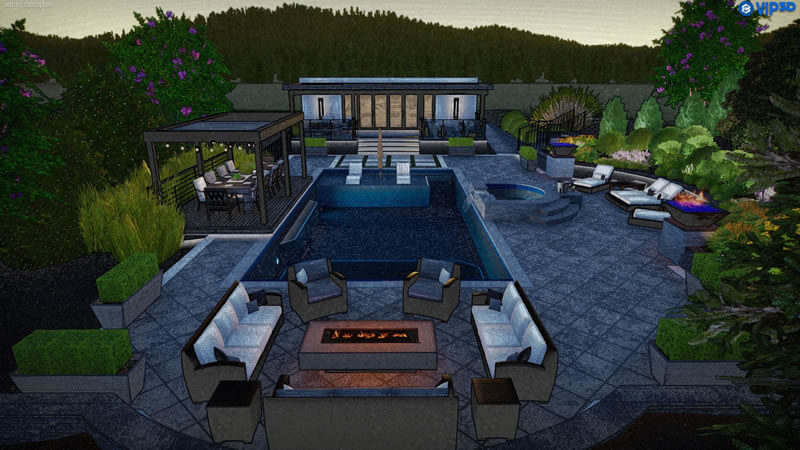
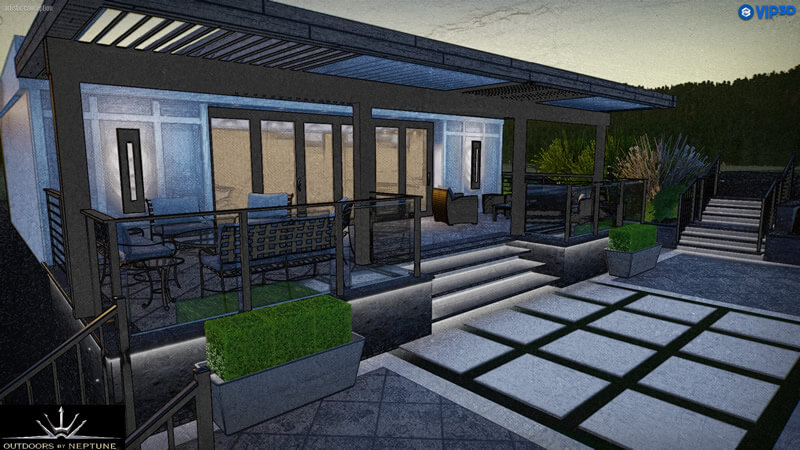

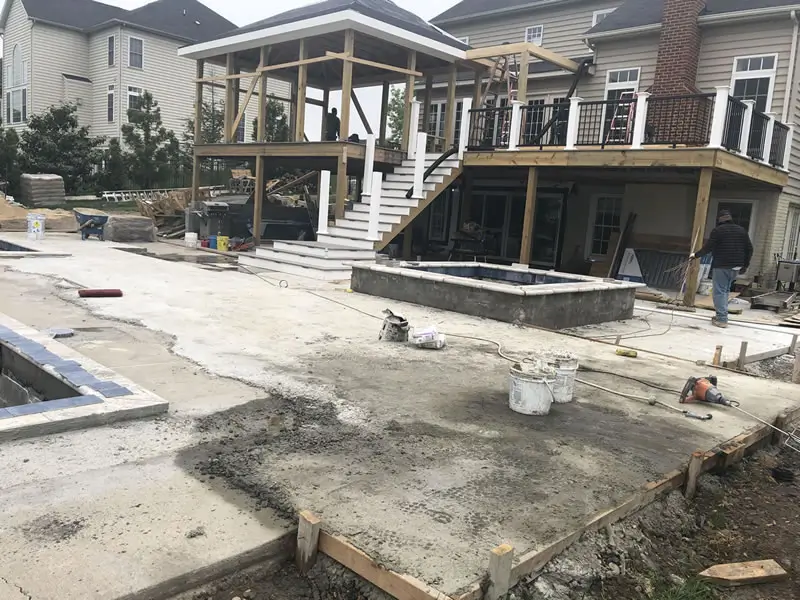


Advantages of Design-Build
Here’s an overview of design-build process:
Single Point of Responsibility:
In a design-build project, the client (owner) enters into a single contract with one entity, known as the design-builder. This entity is responsible for both the design and construction of the project.
Collaborative Approach:
Collaboration is a key feature of design-build. The design-builder often assembles a team that includes architects, engineers, and contractors who work together from the project’s inception to completion. This integrated approach can lead to more effective communication and problem-solving.
Efficiency and Speed:
Design-build projects can often be completed more quickly than traditional projects because the design and construction phases can overlap. While the design is being finalized for one part of the project, construction can begin on another.
Cost Savings:
The design-build model can result in cost savings for the client. Since the design and construction teams work closely together, there is potential for more accurate cost estimating and value engineering throughout the process.
Quality Control:
The design-builder is responsible for ensuring that the project meets the specified requirements. This can lead to better coordination and integration of design and construction elements, potentially enhancing the overall quality of the final product.
Reduced Risk for the Owner:
With a single point of responsibility, the owner may face fewer disputes between the design and construction teams. The design-builder is accountable for addressing any issues that may arise during the project.
Flexibility:
Design-build allows for greater flexibility in making changes to the project scope during construction. This can be beneficial when unforeseen challenges or opportunities arise.
Client Involvement:
Clients typically have more involvement and input throughout the project since they work directly with the design-builder. This can lead to a more collaborative and satisfying experience for the client.
Design/Build FAQs
- What is design/build construction?
Design/build is a project delivery method where one company handles both the design and construction phases. This creates a streamlined process with a single point of responsibility from concept to completion. - How is design/build different from traditional construction?
In traditional construction, design and construction are handled by separate entities. Design/build combines both under one contract, improving communication, reducing delays, and minimizing costs. - What are the benefits of design/build services?
Design/build offers faster project timelines, better collaboration, cost efficiency, fewer change orders, and a more cohesive final result since the same team manages the entire project. - Is design/build more cost-effective?
Yes, design/build projects are often more cost-effective because budgeting is integrated into the design phase, helping avoid unexpected expenses and costly revisions later. - How long does a design/build project take?
Project timelines vary depending on size and complexity, but design/build projects are typically completed faster than traditional methods due to overlapping design and construction phases. - Can I customize my design in a design/build project?
Absolutely. Design/build allows for full customization. You’ll work closely with designers and builders to create a solution tailored to your needs, style, and budget. - What types of projects use design/build services?
Design/build is used for residential homes, commercial buildings, renovations, outdoor living spaces, hardscaping, and more. - Who manages the project in a design/build model?
A dedicated project manager oversees the entire process, coordinating designers, engineers, and construction teams to ensure smooth execution. - Are design/build projects less risky?
Yes, because one team is accountable for both design and construction, there is less risk of miscommunication, delays, and budget overruns. - When should I choose design/build over other methods?
Design/build is ideal if you want a simplified process, faster completion, better cost control, and a single point of contact throughout the project. - Do I need to have a design before starting?
No, you don’t need a pre-existing design. The design/build team will work with you from the initial concept and develop the plans together. - Can changes be made during the project?
Yes, but one of the advantages of design/build is that most decisions are finalized early, reducing the need for changes and keeping the project on schedule and budget.
Have Questions? Call us today at (703) 956-9527