
Plants
Plants
Planting for Landscape Design
Whether you’re designing a garden, refreshing your front yard, or planning a complete outdoor transformation, thoughtful planting is the foundation of a successful landscape design in Fairfax County and Loudoun County. The right combination of trees, shrubs, perennials, and seasonal color not only enhances curb appeal but also creates balance, structure, and long-term sustainability for your outdoor space.
Contact Outdoors by Neptune to discuss your project.
Contact us today for a Custom Outdoor Design Consultation
Ready to build? Enter your info below for a no-obligation quote.
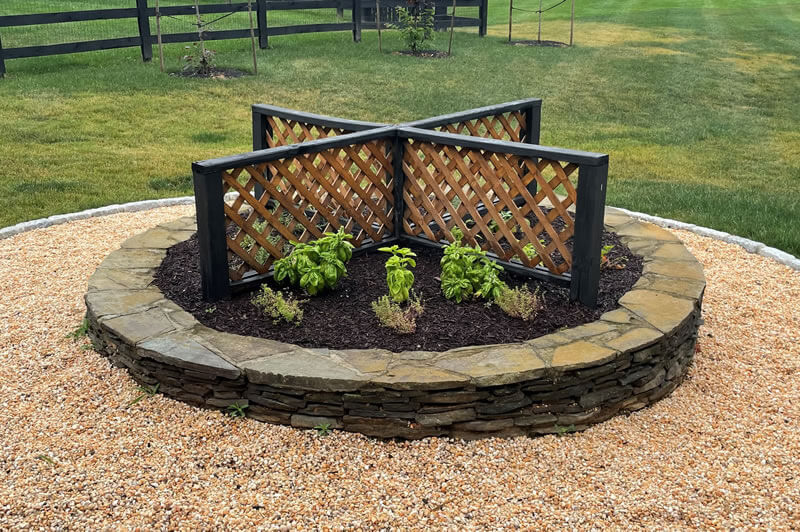
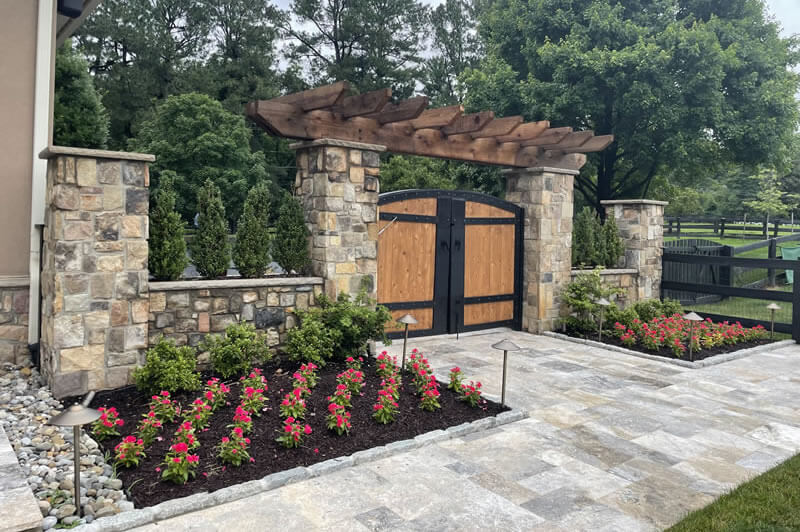
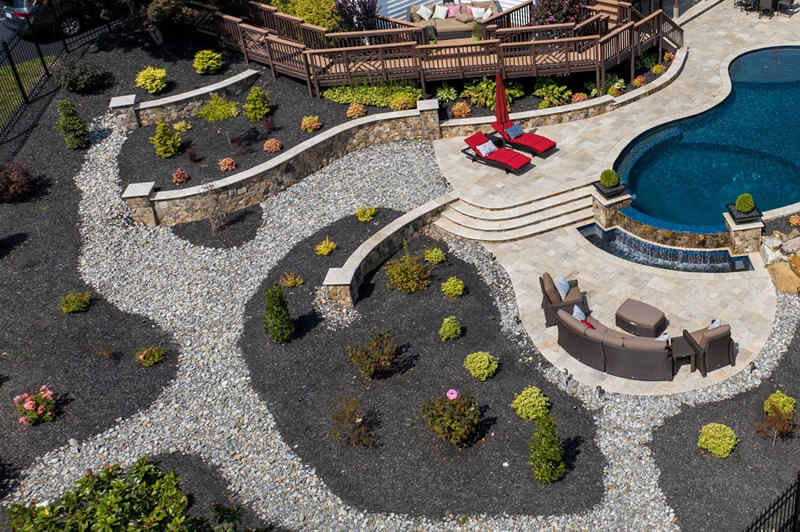
Smart Planting Ideas for Northern Virginia Landscapes
In Northern Virginia, planting design goes beyond aesthetics—it must work with the region’s humid subtropical climate, clay-heavy soils, and seasonal temperature swings. A well-designed landscape incorporates layered planting (trees, mid-level shrubs, and groundcover), proper spacing, and year-round visual interest.
Professional landscape designers in Fairfax and Loudoun often focus on:
- Layered planting design for depth and dimension
- Seasonal color planning (spring blooms, summer greenery, fall foliage, winter structure)
- Low-maintenance and drought-tolerant plant selections
- Native and pollinator-friendly plants that thrive locally
Site Conditions Matter: Set Your Landscape Up for Success
Before planting, it’s essential to evaluate your property’s unique conditions. This step is often overlooked—but it’s where great landscapes begin.
Key factors to consider:
- Soil Type: Much of Fairfax and Loudoun County has dense clay soil, which can impact drainage and root growth. Amending soil with organic matter improves plant health.
- Sunlight Exposure: Identify full sun, partial shade, and full shade areas to match plants appropriately.
- Drainage & Grading: Poor drainage can damage plant roots—proper grading or drainage solutions may be needed.
- Microclimates: Areas near patios, fences, or structures may retain heat or block wind, affecting plant performance.
Working with a local expert ensures your planting plan aligns with these conditions, avoiding costly mistakes and plant loss.
Why Professional Planting Design Makes a Difference
Hiring a landscape professional familiar with Fairfax and Loudoun County planting conditions helps you:
- Choose plants that thrive in Northern Virginia’s climate
- Create a cohesive design that complements your home and hardscape features
- Reduce long-term maintenance and replacement costs
- Increase property value with high-impact curb appeal
A well-executed planting design blends beauty with function—enhancing privacy, guiding foot traffic, supporting local ecosystems, and creating an outdoor space you’ll enjoy year-round.
Planting for Landscape Design – FAQs
- What is planting in landscape design?
Planting in landscape design involves selecting, arranging, and installing trees, shrubs, flowers, and groundcover to enhance the beauty, structure, and function of an outdoor space. - Why is professional planting important for landscaping?
Professional planting ensures the right plants are chosen for your soil, climate, and sunlight conditions. It helps plants thrive long-term while improving curb appeal and property value. - How do I choose the right plants for my yard?
The best plants depend on factors like soil type, sunlight exposure, drainage, and maintenance preferences. Native and climate-adapted plants are often the most successful and sustainable choices. - What are the benefits of native plants in landscape design?
Native plants require less water, fertilizer, and maintenance. They are also more resistant to pests and diseases and support local wildlife and pollinators. - When is the best time for planting in landscaping?
Spring and fall are typically the best times for planting, as temperatures are moderate and allow roots to establish before extreme weather conditions. - How often should landscape plants be watered?
Watering depends on the plant type, soil, and weather. New plants need frequent watering to establish roots, while mature plants usually require less frequent but deeper watering. - What is the difference between annuals and perennials?
Annuals complete their life cycle in one season and need to be replanted each year. Perennials return year after year, making them a long-term landscaping investment. - How can planting improve curb appeal?
Strategic planting adds color, texture, and structure to your landscape, creating an inviting and visually appealing outdoor space that enhances your home’s overall appearance. - Do I need soil preparation before planting?
Yes, proper soil preparation—such as testing, adding nutrients, and improving drainage—is essential for healthy plant growth and long-term success. - How much maintenance do landscape plants require?
Maintenance varies depending on plant selection. Low-maintenance landscapes can be achieved with native plants, mulch, and efficient irrigation systems. - Can planting help with erosion control?
Yes, plants with strong root systems help stabilize soil, reduce erosion, and manage water runoff, especially on slopes or uneven terrain. - Should I hire a professional for landscape planting?
Hiring a professional ensures proper plant selection, placement, and installation, saving time and reducing costly mistakes while achieving a cohesive design
Have Questions? Call us today at (703) 956-9527